
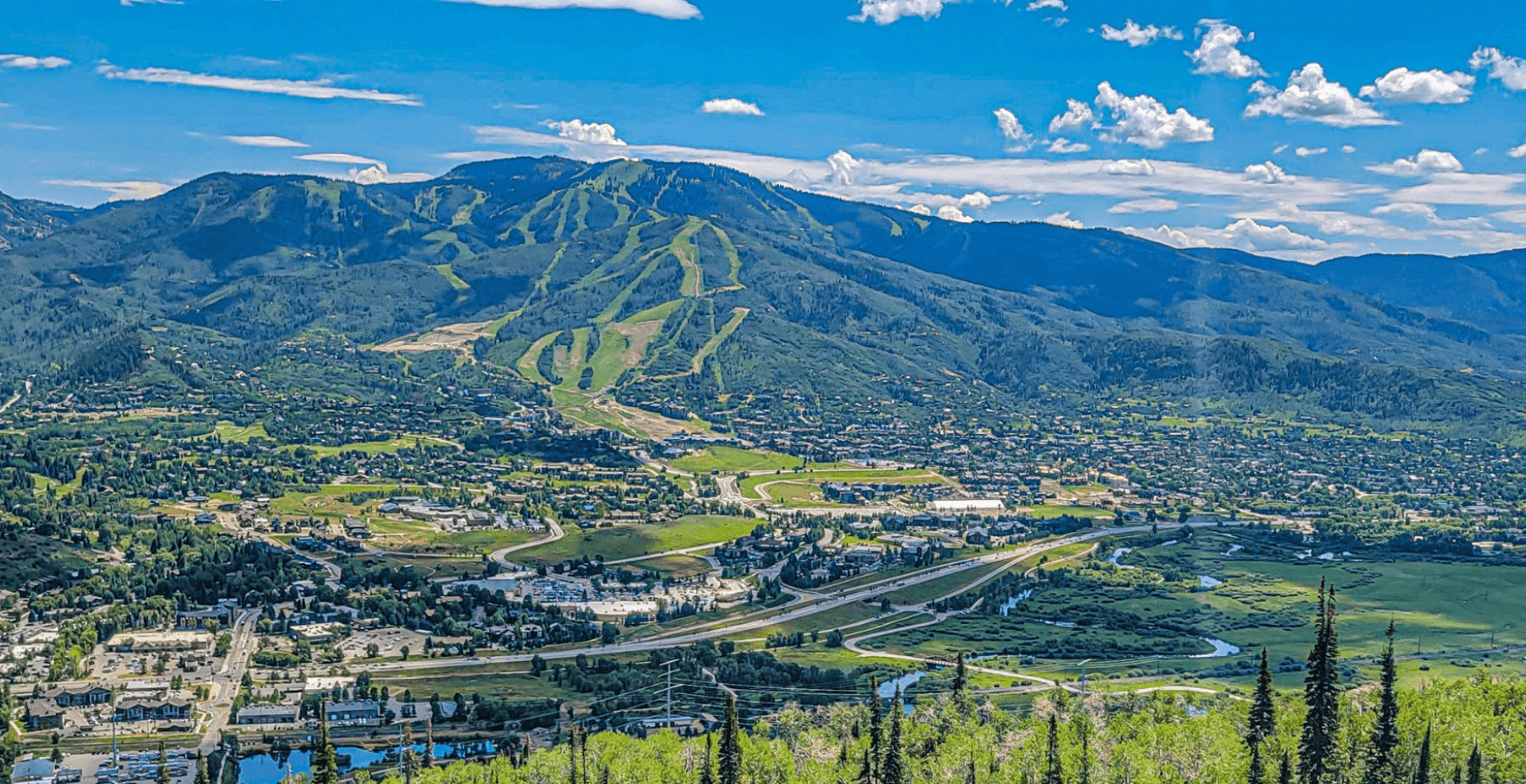
Steamboat Springs blends a rich mountain heritage with world-class skiing, legendary hot springs, and a story that stretches from Ute traditions to Olympic-level ski culture. This guide brings the town's history to life in an easy, engaging way.
No matter where you're headed for vacation, from the mountains of Tennessee and Colorado to the beaches of Florida and North Carolina, learning a bit of local history adds a whole new layer to the experience.
If Steamboat Springs is your next vacation stop, here's a fact: this beautiful Colorado mountain town is much more than a ski resort. Its history and culture blend seamlessly with its dramatic landscapes and outdoor adventures. What began as a modest ranching community has grown into one of the world's most beloved mountain destinations, with a rich story behind every hot spring, trail, and historic corner.
Curious? Let's kick things off with a quick look at what's ahead:
- Early History & Native American Influence
- Settlement & Development
- The Hot Springs Boom
- The Birth of Skiing
- WWII & the 10th Mountain Division
- Rise of the Steamboat Ski Resort
- Year-Round Tourism Growth
- Cultural Impact & Community Spirit
- Steamboat Springs Today
At Retreatia, we have extensive local expertise in luxury rental properties, ski-in/ski-out options, and downtown lodging. Many of our rentals are pet-friendly, and all are perfect for any time of the year!
We also consider ourselves local experts, and in our destination blog, we cover everything from hidden gems and indoor attractions to wonderful coffee shops around town. You'll find plenty of tips that will help make your stay in Steamboat Springs a memorable one, no matter the season. Pack your bags, bring your curiosity, and get ready to make memories in this unforgettable corner of the American West!
In this article, I'll share some fun historical information about Steamboat Springs, offering a glimpse into the rich tapestry of the town's past and how it grew into the beloved mountain destination that welcomes so many visitors each year.
Ready? Let's get into it!
1. Early History and Native American Influence
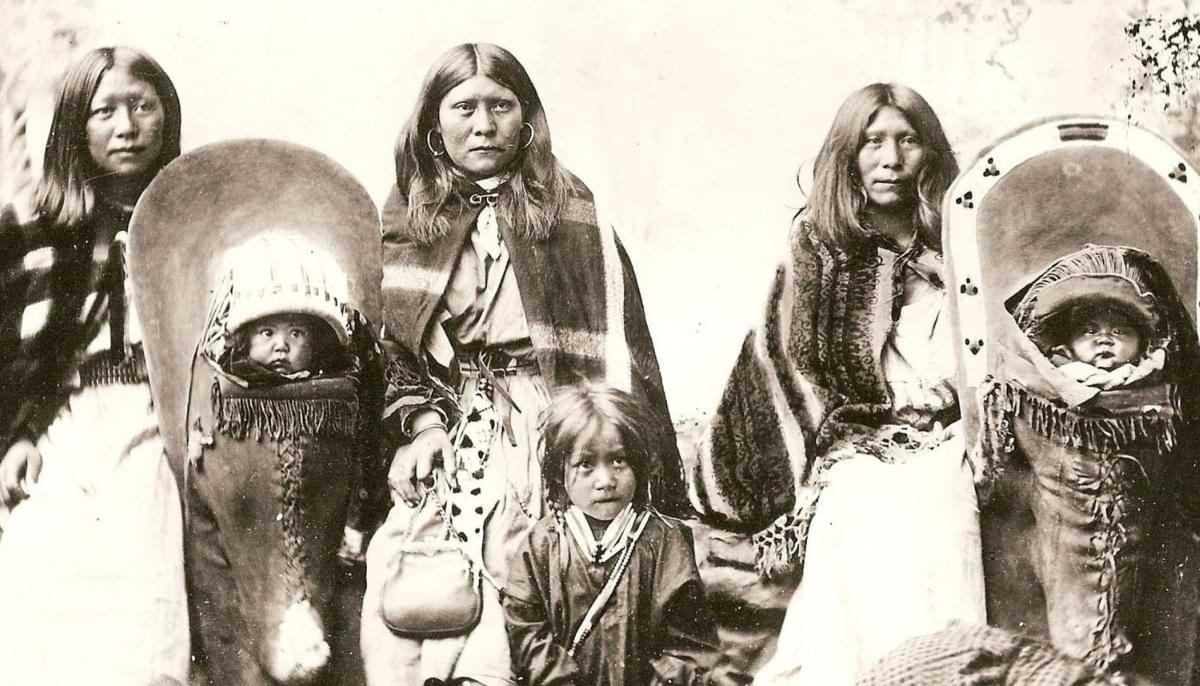
The Ute Tribe Comes First
- The Ute people were the original inhabitants of the valley.
- They valued the hot springs for their healing qualities.
- One spring made a "chugging" sound that reminded early listeners of a steamboat, and the name stuck.
Settlers Arrive in the Late 1800s
- Hunters, trappers, and miners arrived in search of opportunities.
- As more pioneers arrived, Steamboat began taking shape as a small town.
- Ranching quickly became the economic backbone, thanks to wide, fertile valleys.
A Complicated Chapter
- Early interactions between settlers and the Ute people included trade and cooperation.
- Rising settlements brought increasing tension over land and resources.
- The Utes were eventually displaced and relocated to reservations, reshaping the region's cultural landscape.
2. Settlement and Development
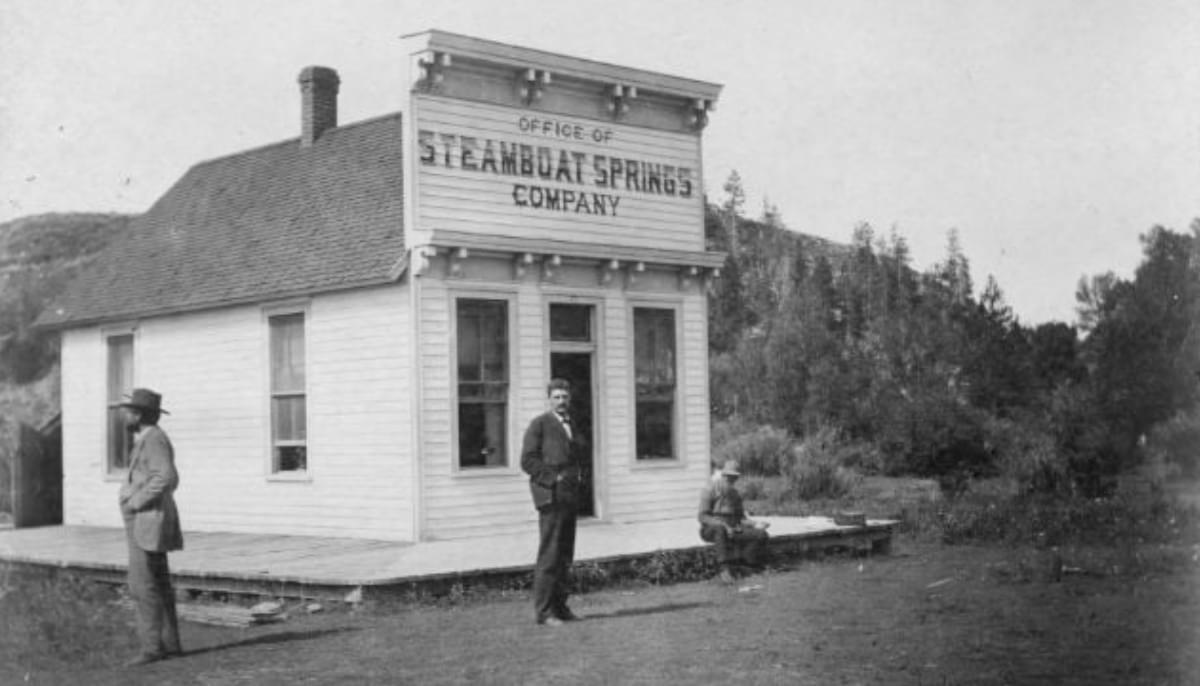
As Steamboat Springs entered the late 19th century, it witnessed significant changes with the arrival of more settlers drawn by the allure of opportunity and the natural beauty of the Yampa Valley.
More Settlers Roll In
- By the late 1800s, the Yampa Valley's beauty and promise started drawing newcomers.
- One of the biggest names? James Crawford, who settled here in 1875 with his family.
- He set up a homestead right by the hot springs; what could be more prime real estate?
James Crawford's Big Vision
- Crawford wasn't just settling; he was planning.
- He saw Steamboat's potential for ranching, farming, and even early tourism.
- His enthusiasm helped attract other settlers, investors, and dreamers.
The Yampa Valley = Prime Ranch Country
- Fertile land? Check.
- Space for cattle? Check.
- Rivers and sunshine? Check.
- Before long, ranching and agriculture became the heartbeat of early Steamboat.
A Growing Regional Hub
- Farmers and ranchers used the expanding rail connections to ship cattle and crops far beyond the valley.
- What was once an isolated mountain spot suddenly mattered to the wider region.
Early 1900s: Time to Get Organized
- Steamboat Springs was formally incorporated, giving the town structure and stability.
- Schools, churches, and a post office quickly followed, the essentials for a growing community.
An Expanding Local Economy
- Small industries and services started popping up.
- More visitors arrived to soak in the hot springs or enjoy the scenery.
- Steamboat slowly shifted from "remote settlement" to "charming mountain town with real buzz."
3. The Discovery and Impact of Natural Hot Springs
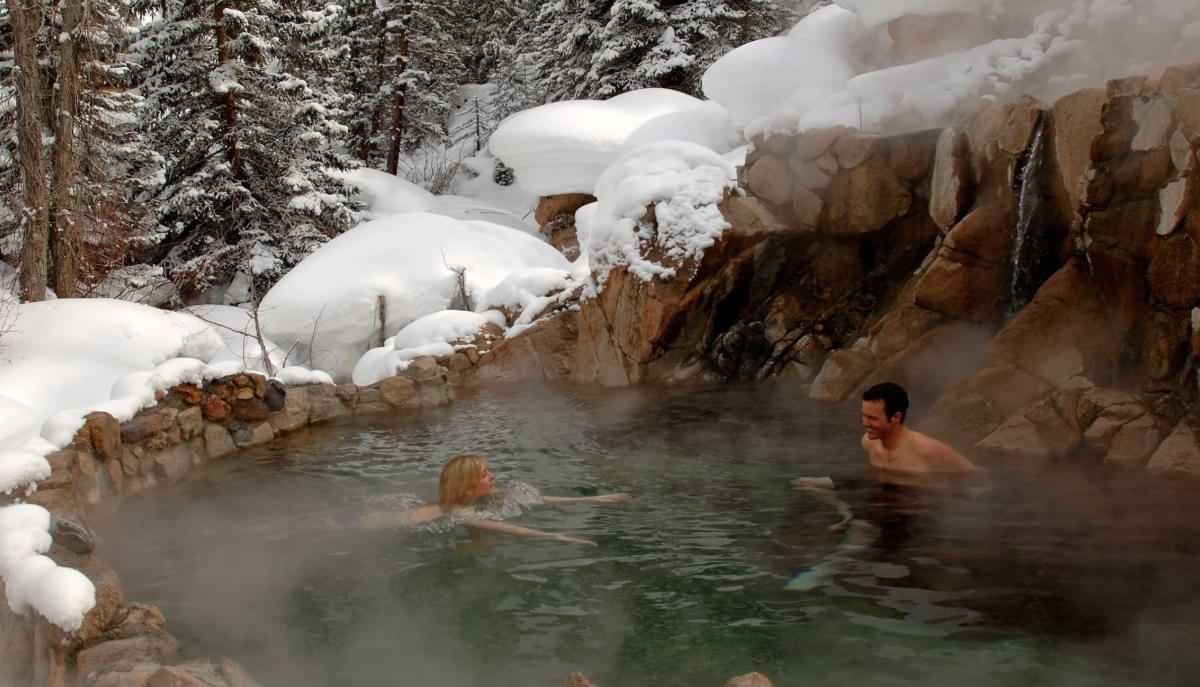
The natural hot springs of Steamboat Springs played a central role in shaping the town's identity and economic trajectory. The allure of these thermal waters, known for their supposed healing properties, began to draw visitors from around the region in the early 20th century.
The Hot Springs Steal the Spotlight
- Long before ski lifts and gondolas, the hot springs were the main attraction.
- The Ute tribe and early settlers swore by their healing powers, and word spread quickly.
- Visitors started coming for the warm, bubbling waters tucked into the rugged Colorado landscape.
Early Entrepreneurs Seize the Moment
- Locals quickly realized the springs were a goldmine, in the wellness sense.
- By the 1910s, bathhouses, small lodgings, and other amenities started popping up.
- Steamboat slowly shifted from "ranching outpost" to "mountain spa getaway."
The Railroad Changes Everything
- The arrival of the Steamboat Springs Depot turbocharged the town's growth.
- Trains brought in visitors from major cities eager to soak and relax.
- Bonus: the railroad also helped ranchers ship cattle and crops more efficiently, boosting the whole economy.
A Growing Reputation
- As stories of the springs circulated nationwide, Steamboat drew travelers seeking rest, cure, or simply a scenic escape.
- Even well-known figures made the trek for a dose of mountain wellness.
- The town embraced its identity as a rejuvenating retreat surrounded by unmatched natural beauty.
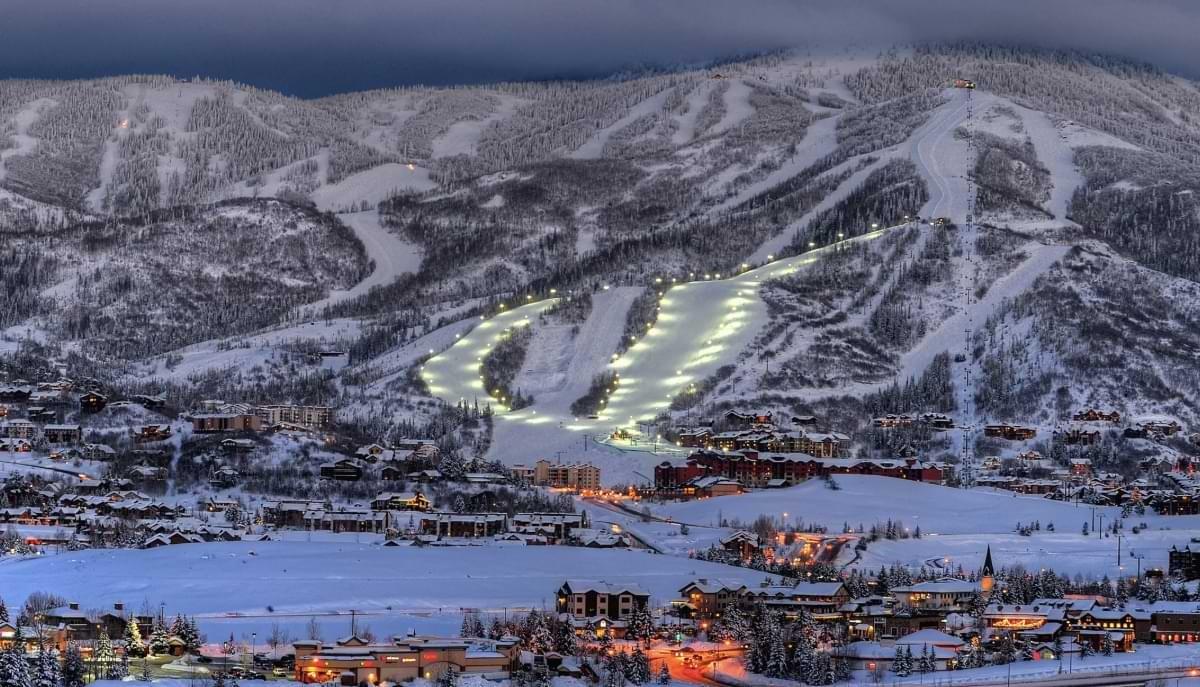
4. The Birth of Skiing in Steamboat Springs
The introduction of skiing to Steamboat Springs significantly influenced its development and popularity.
Skiing Arrives... and Steamboat Is Never the Same
- Early 1900s: Norwegian immigrants show up with skis in tow.
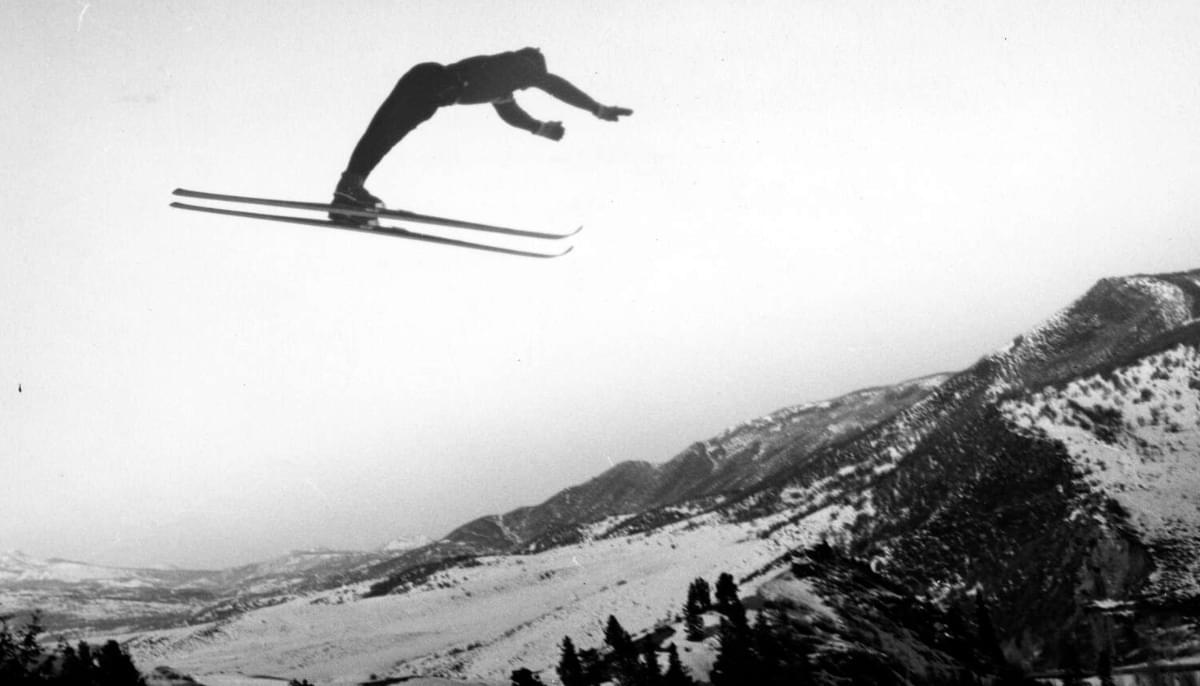
- Leading the charge? Carl Howelsen, a legendary ski jumper who pretty much kick-started Steamboat's entire winter-sports identity.
- Before he arrived, skiing in town was... not really a thing.
Carl Howelsen Changes Everything
- Howelsen introduces Nordic skiing and ski jumping, and the locals go all in.
- In 1914, he co-founded the Steamboat Springs Winter Sports Club, which later became the launchpad for countless Olympians.
- Same year, he helped start the Winter Carnival, a tradition still going strong with parades, ski-jumping kids, and horses pulling skiers down Main Street.
Building the First Ski Jumps
- Under Howelsen's guidance, Steamboat builds some of the first ski jumps in Colorado.
- Perfect terrain + tons of snow = instant success.
- These early jumps become the heartbeat of Steamboat's growing winter-sports scene.
From Small-Town Ski Spirit to Major Destination
- The momentum doesn't stop. Over the decades, skiing has become part of Steamboat's DNA.
- By the 1960s, the enthusiasm led to the creation of the Steamboat Ski Resort.
- Suddenly, Steamboat isn't just a ranching town anymore; it's a world-famous ski destination, celebrated for its iconic Champagne Powder® and Olympic legacy.
The Legacy Lives On
- Today, Steamboat is known as Ski Town, U.S.A.®, thanks to Howelsen's early passion and the community he inspired.
- Generations of athletes have trained here, and the town's winter energy still buzzes every season.
5. World War II and the 10th Mountain Division
During World War II, Steamboat Springs played a significant role in military training, particularly through its connection with the 10th Mountain Division, an elite group of soldiers trained in mountain warfare and skiing.
The War Years: When Steamboat Helped Shape an Elite Army
- During World War II, Steamboat Springs became closely tied to the 10th Mountain Division, the U.S. Army's legendary mountain-warfare troops.
- These soldiers trained in brutal winter conditions, deep snow, steep slopes, and icy terrain, the exact kind of environment Steamboat is famous for.
Why the 10th Mountain Division Mattered
- The division was filled with skiers, mountaineers, and outdoorsmen, making them a perfect match for cold, high-altitude combat.
- Their training ground? Terrain is very similar to Northwestern Colorado's mountains.
- Their mission? Fight in the rugged mountains of Europe.
Veterans Return... and Change Steamboat Forever
- After the war, many of these soldiers came back to Colorado, drawn by the lifestyle they already knew and loved.
- They didn't just return; they helped build the American ski industry.
- Their skills in skiing, survival, and mountain travel led to better equipment, smarter techniques, and more organized recreation.
Steamboat's Local Hero: Gordon Wren
- One notable veteran, Gordon Wren, a ski jumper and 10th Mountain Division member, returned to Steamboat and became a major force in improving its ski facilities.
- His work boosted Steamboat's ski jumping complex and helped attract new generations of athletes.
6. Expansion of Ski Facilities and the Rise of a Ski Resort
The development of the Steamboat Ski Resort in the 1960s marked a pivotal shift for Steamboat Springs, turning it into a major ski destination.
The 1960s: When Steamboat Went Full Ski Town
- The 1960s were a game-changer for Steamboat Springs. This was the decade when the Steamboat Ski Resort officially took shape and completely changed the town's future.
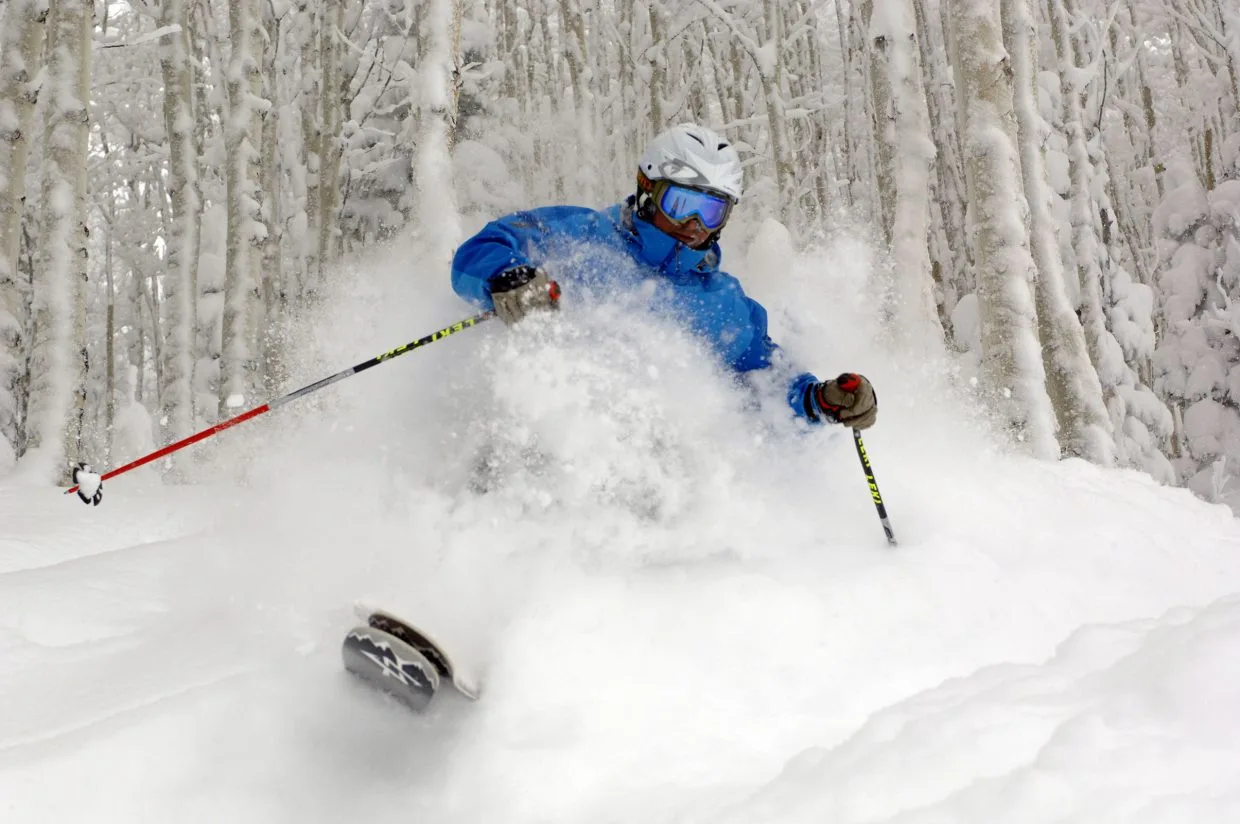
- A group of local visionaries and national investors teamed up, convinced that Steamboat's famously light and dry Champagne Powder® snow was too special to stay under the radar.
Building a Real Ski Resort
- The early development focused on the essentials:
- Modern ski lifts to handle more guests
- New and improved trails for every skill level
- Better mountain infrastructure to support growing crowds
- Suddenly, Steamboat wasn't just a place to ski; it was a place to ski well.
Marketing That Put Steamboat on the Map
- The next step: let the world know.
- Big promotional campaigns rolled out across the U.S., spotlighting:
- Stunning scenery
- Legendary powder
- The town's warm, Western character
- The results came fast. Visitor numbers climbed, and Steamboat started earning its reputation as one of the best ski towns in America.
Boom Time for the Local Economy
- As the resort grew, so did the town.
- More jobs
- More businesses
- More opportunities for locals and newcomers
- Tourism became a major economic engine, and the winter season began to shape the rhythm of life in Steamboat.
A Resort That Defined a Town
- By the end of the decade, Steamboat Ski Resort wasn't just a new attraction; it had become the cornerstone of Steamboat Springs' identity, solidifying its place as a beloved winter destination with a charm all its own.
7. Modern Developments and Economic Diversification
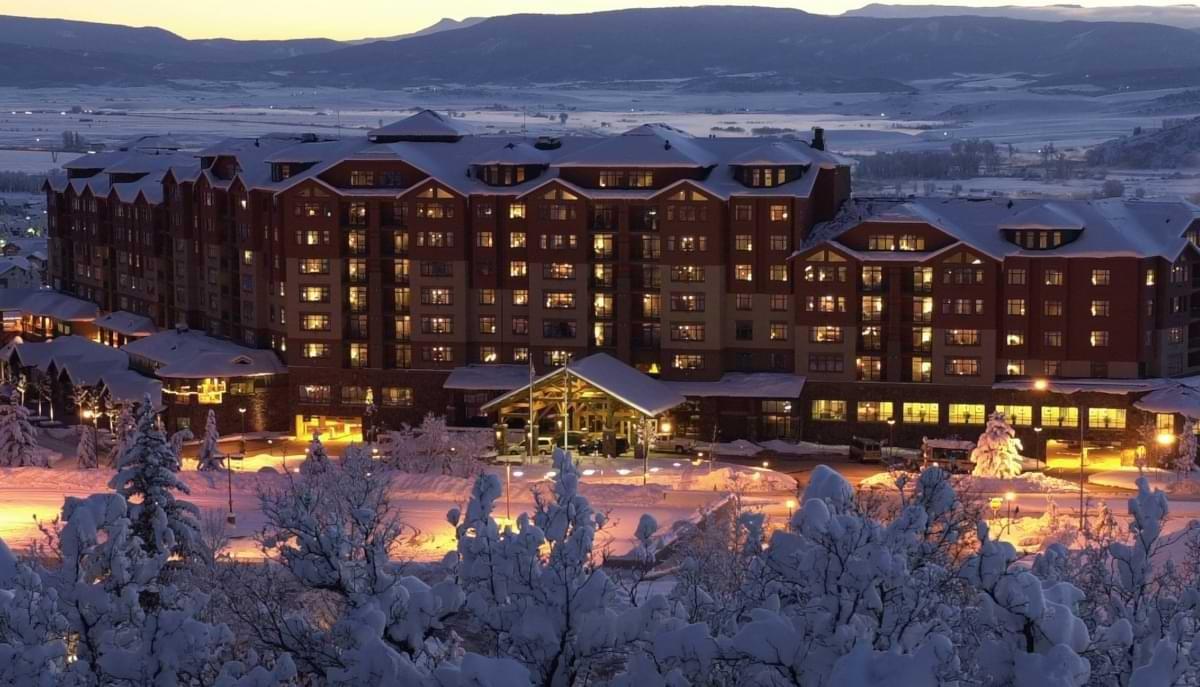
As Steamboat Springs grew into a beloved ski hub, the town quickly realized the fun didn't have to end when the snow melted. Mountain biking, hiking, fishing, and golf all stepped into the spotlight, turning Steamboat into a true year-round playground. This shift brought a huge boost to the local economy, keeping businesses busy beyond winter and bringing a steady flow of visitors no matter the season. Festivals, concerts, outdoor tours, and warm-weather adventures began filling the calendar, giving both locals and travelers more reasons to fall in love with the town. The move to year-round tourism didn't just make Steamboat stronger financially; it made the community livelier, more resilient, and an even better place to call home.
8. Cultural Impact and Community Initiatives
Steamboat Springs wears its ski heritage proudly, and you feel it everywhere, especially during the Winter Carnival. Ski races, ski jumping, and the beloved "Lighted Man" lighting up the night keep the town's spirit front and center and bring the whole community together.
At the same time, Steamboat leans heavily into sustainability. Local businesses adopt green practices, and the town promotes responsible tourism to help protect its forests, trails, and postcard-worthy scenery. The result is a community that loves its mountains, celebrates its culture, and works hard to keep this beautiful place thriving for years to come.
9. Steamboat Springs Today
Steamboat Springs today is a full-on ski paradise, famous for its dreamy Champagne Powder®, lively mountain culture, and that cozy small-town charm everyone falls for. The resort keeps leveling up each year with new lifts, smoother runs, and upgraded snowmaking, so the skiing stays fantastic even when Mother Nature gets moody.
What's next? Even more improvements. Steamboat is expanding its terrain, polishing its infrastructure, and finding smart ways to welcome more visitors without losing the laid-back vibe that makes it special. And the best part: the town is just as fun in summer as it is in winter.
Thanks to this mix of great snow, smart planning, and year-round adventure, Steamboat keeps its spot at the top as one of the most beloved mountain destinations in the West.
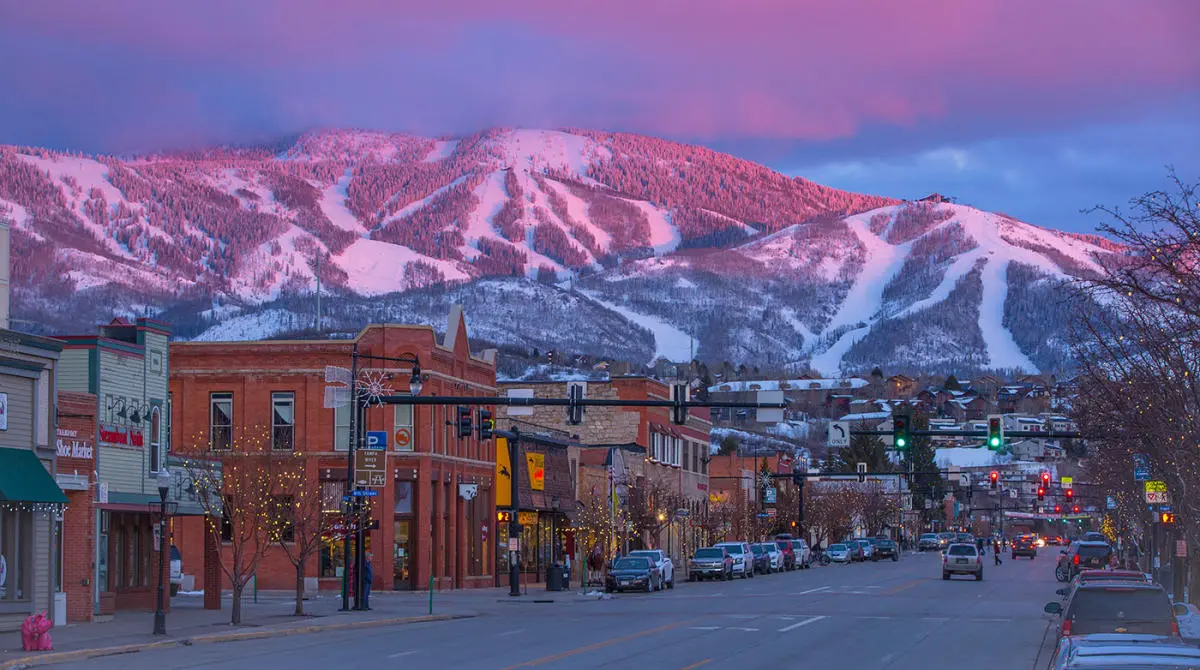
Enjoy every moment of your Steamboat Springs escape
While in town, why not stay in style with the great backdrop of the Rocky Mountains in one of the most iconic rental properties and complexes that Steamboat Springs offers?
Retreatia offers luxury properties, ski-in/ski-out options, and downtown lodgings, many of which are pet-friendly. Staying in one of our properties, we guarantee you'll have nothing less than a 5-star experience, something that will definitely enhance your Steamboat Springs vacation.