
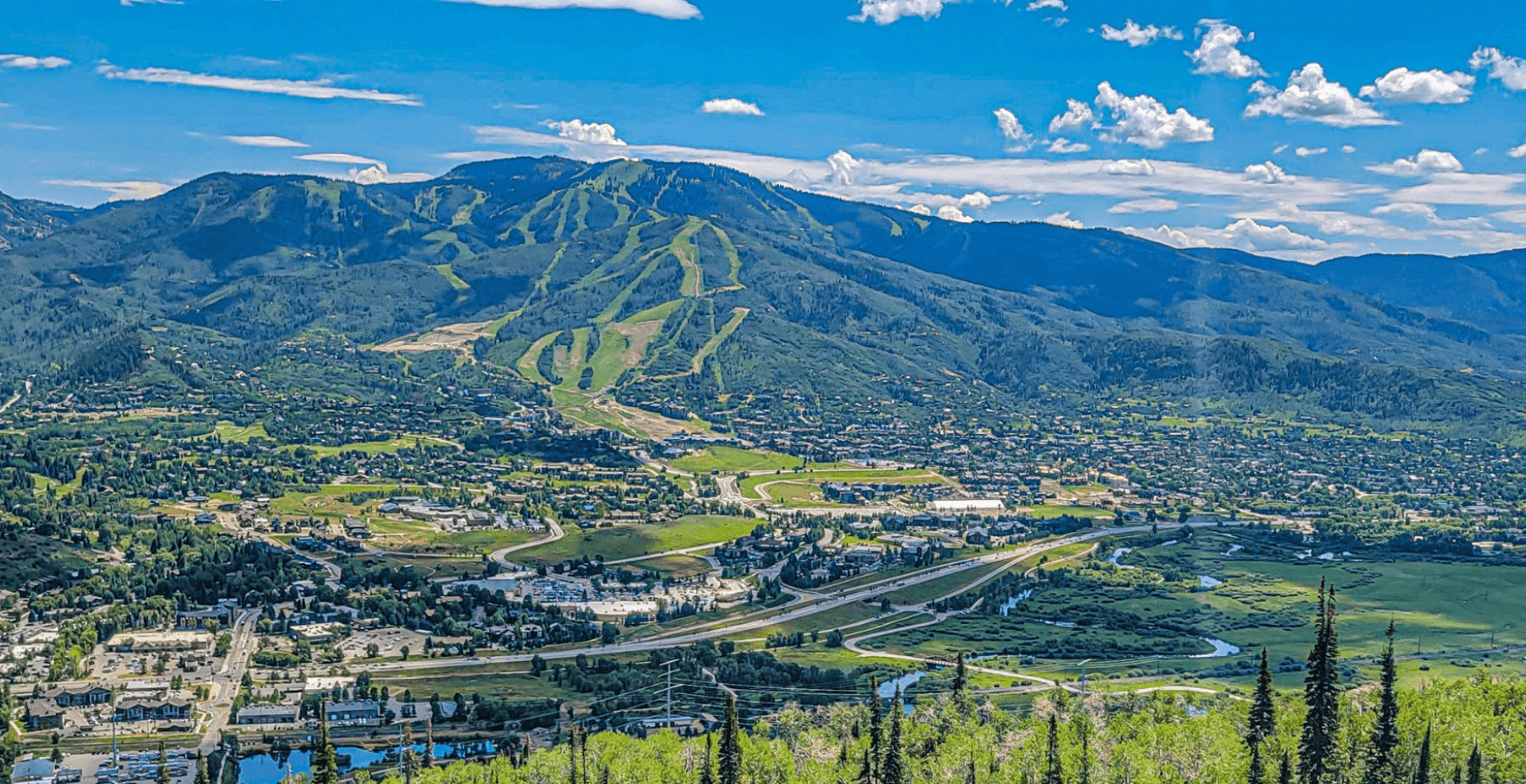
What makes Steamboat's snow different, and why skiers plan whole trips around it
Ask anyone who has skied Steamboat Springs what they remember, and the answer is almost always the snow. Not the views, not the town, the snow. There is a specific sensation to a Steamboat powder morning that people chase for years afterward.
That sensation has a name, and it is trademarked: Champagne Powder. Here is what it actually is, why it forms here, and how to time a trip around it.
The 2026/27 season opens Saturday, November 21, 2026 and runs into spring.
At Retreatia, we have extensive local expertise in luxury rental properties, ski-in/ski-out options, and downtown lodging. Many of our rentals are pet-friendly.
In our destination blog we cover everything from hidden gems and indoor attractions to the best coffee shops in town.
What Is Champagne Powder, Exactly?
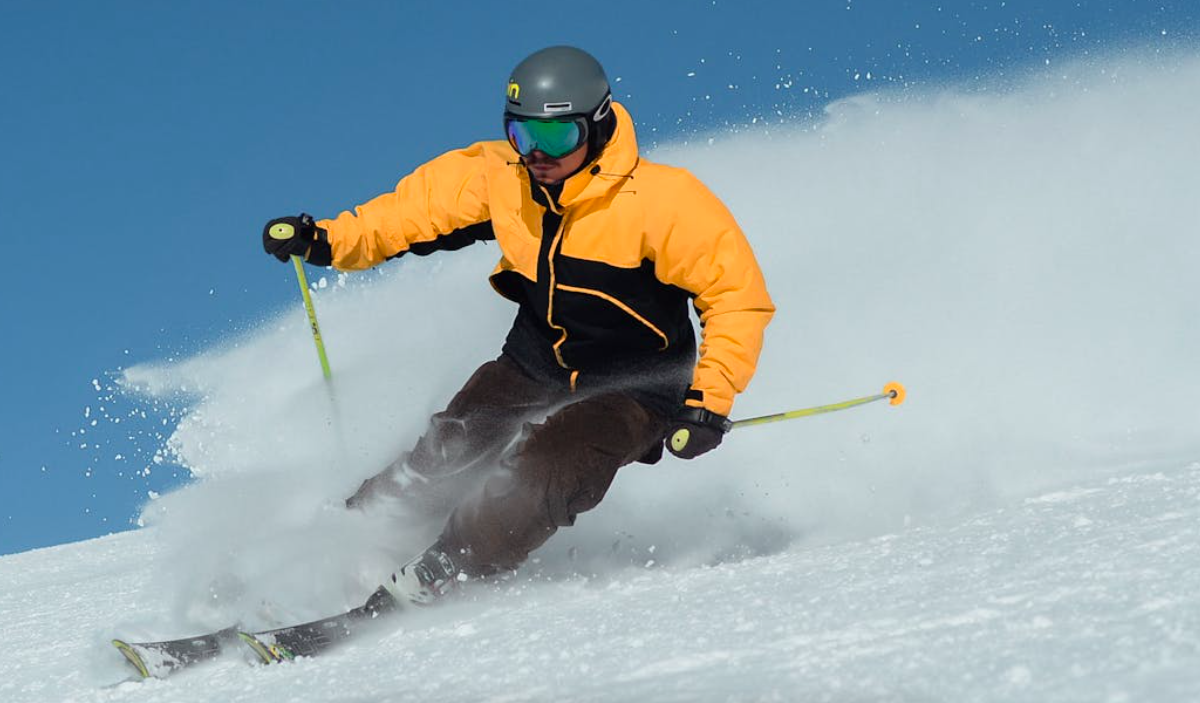
Champagne Powder is exceptionally light, dry snow. The defining measurement is water content, and Steamboat's runs around 6 percent, meaning roughly 94 percent of what you're skiing through is air.
For comparison, typical snow across much of North America runs closer to 10 to 12 percent water content, and coastal snow can climb well above that. Those few percentage points change everything about how the snow behaves under a ski.
Practically, that means:
- It does not resist you. Heavier snow pushes back and demands leg strength. Light snow parts around you.
- It forgives mistakes. A slightly late turn or an off-balance moment doesn't catch an edge the way denser snow does.
- It stays skiable longer. Low-density snow doesn't set up as fast, so the good conditions last well past first chair.
- It genuinely floats. The sensation people describe as weightless is not marketing. It's a real consequence of displacing something that is 94 percent air.
Why Does It Form Here?
The short answer is geography. Steamboat sits in an unusually favorable spot for producing low-density snow, and it comes down to three things working together.
1. The Park Range Does the Work
Storms generally arrive from the northwest and run straight into the Park Range, the wall of mountains immediately east of town. As that air is forced upward, it cools and drops its moisture. This is orographic lift, and it is why Steamboat and Buffalo Pass just above it collect some of the deepest snowpack in Colorado.
2. The Moisture Arrives Already Wrung Out
By the time Pacific storms reach northwest Colorado, they have crossed considerable distance and dropped much of their heaviest, wettest moisture. What arrives is colder and drier than what hits coastal ranges, which is the raw ingredient for light snow.
3. The Temperature Hits the Right Window
Snow crystal shape depends heavily on the temperature at which it forms. The intricate, feathery dendrite crystals that trap the most air form in a fairly narrow cold range. Steamboat's elevation and interior continental climate put its storms in that window more consistently than most resorts manage.
Stack those three together, repeatedly, across a long season, and you get Champagne Powder.
Where the Name Came From
The story locals tell is that the term was coined in the 1950s by Joe McElroy, a Steamboat rancher, who said the snow tickled his nose like champagne bubbles.
Whether or not the origin is exactly as told, the name stuck, spread among skiers, and eventually became something the resort protected formally. Champagne Powder is a registered trademark, which is genuinely unusual. Very few ski areas have trademarked a description of their own snow, and it says something about how central the snow is to Steamboat's identity.
How Much Snow Does Steamboat Get?
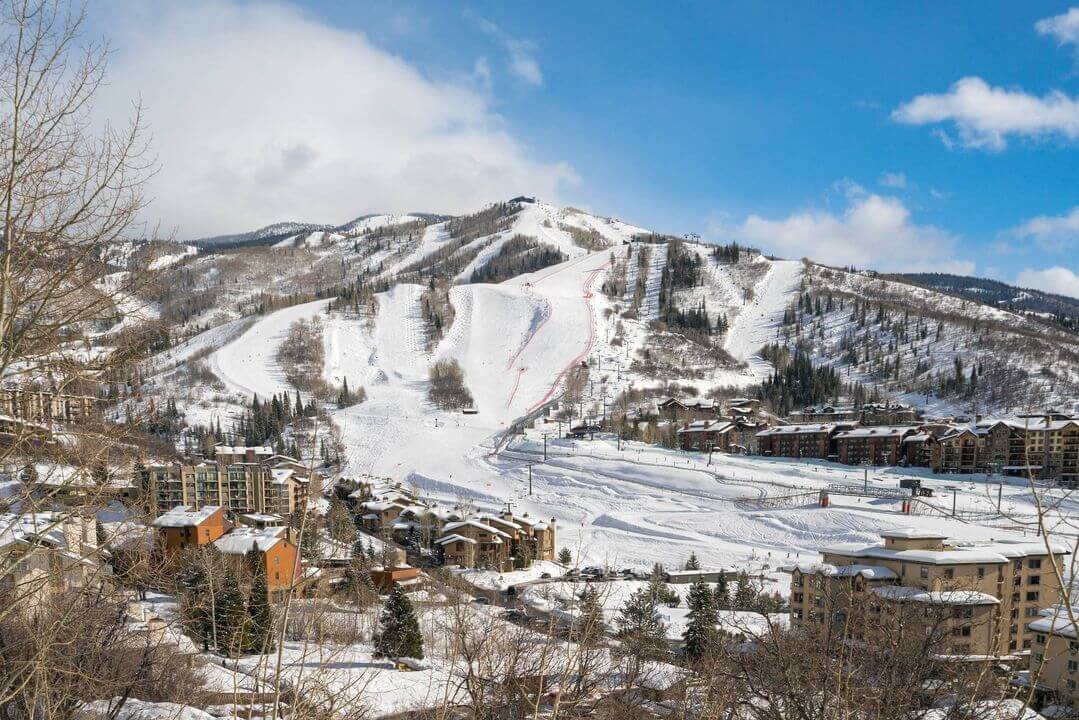
Steamboat averages over 300 inches, roughly 762 centimeters, per season. For context, that is more than 25 feet of snow falling on the mountain across a winter.
A few numbers that shape the experience:
- Town elevation: 6,732 feet
- Resort base: around 6,900 feet
- Summit: 10,568 feet
- Vertical drop: 3,668 feet
- Skiable terrain: 3,741 acres across 180-plus trails and 23 lifts, making Steamboat Colorado's second-largest ski area
The elevation spread matters. A storm that arrives as heavy, wet snow at the base can be considerably lighter and drier up top, which is why upper-mountain terrain often holds the best conditions.
The Snow, Month by Month
Late November and December: Building
Opening day is November 21, 2026. Early season snow is real but the base is still establishing itself, and terrain opens progressively as storms stack up. Expect firmer, more manmade surfaces early and genuine improvement through December as the natural snowpack fills in.
Good for: getting your legs back, quieter slopes, lower rates before the holidays.
January and February: Peak Champagne Powder
This is the window. Cold temperatures mean storms produce their lightest snow, and the base is deep enough that everything is open.
January is the coldest month and consistently produces the driest snow of the season. February typically brings the deepest snowpack of the year.
Good for: powder days, full terrain access, the actual Champagne Powder experience.
March and April: The Sleeper
March is frequently one of Steamboat's snowiest months, and it is badly underrated. You get big storms alongside longer days, more sun, and warmer afternoons.
The trade-off is that warmer temperatures mean snow that is heavier than January's, and afternoons soften considerably. But a March powder day followed by an hour on a sunny deck is a hard combination to beat, and rates drop noticeably.
Good for: value, sunshine, spring conditions, and still-frequent storm cycles.
Where the Powder Lasts Longest
Here is the thing experienced Steamboat skiers know: the snow quality on any given afternoon depends less on when it fell than on where you look.
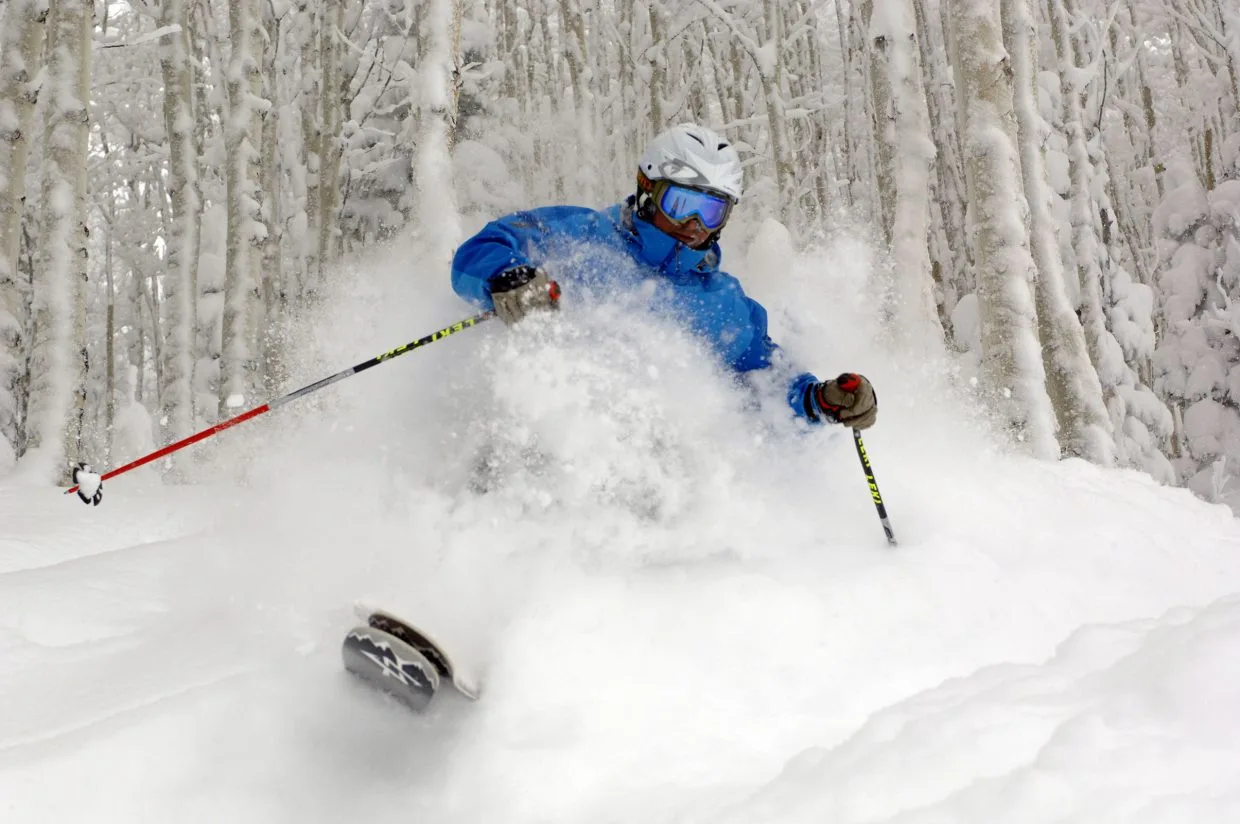
Steamboat's tree skiing is the reason powder lasts here. The aspen and evergreen glades are naturally well spaced, and the canopy shelters the snow from both wind and direct sun. On a busy Saturday, the groomers get tracked out by 10:30 a.m. while Shadows and Closets are still holding soft snow at 2:00 p.m.
Recent seasons also brought Mahogany Ridge and Fish Creek Canyon inside the ski area boundary, adding hundreds of acres of advanced and expert terrain that holds snow particularly well.
Before you head into the trees: tree wells and deep snow immersion are real hazards, particularly around evergreens after a storm. Ski with a partner, keep them in visual contact, and never leave them if they go down. Steamboat Ski Patrol Dispatch is 970-871-5911, and in an emergency you can call or text 911.
How to Actually Get the Powder
- Be early. Light snow gets skied off faster than dense snow because it does not compact into a durable surface. The first two hours matter more here than almost anywhere.
- Ikon passholders get First Tracks on December 18, January 15, February 8, March 8, and April 3, boarding the Wild Blue Gondola between 8:00 and 8:15 a.m. It is the best perk on the pass and barely used.
- Go to the trees after 10:00 a.m. Once the open runs are tracked, the glades are where the day is.
- Stay slopeside. On a powder morning the difference between walking out your door and driving in from town is measured in runs. See our ski-in/ski-out rentals.
- Check the report the night before. The Steamboat mountain report and our current weather page will tell you whether to set an alarm.
- Consider wider skis. Low-density snow rewards float. If you are renting, ask for something in the 100mm-plus underfoot range on a storm day. See our discounted ski rentals.
How Steamboat's Snow Compares
Every great ski town has something it does better than anyone. Here is an honest read on where Steamboat's snow sits.
Snow Quality
- Steamboat: Among the lightest and driest snow in North America, at roughly 6 percent water content. The combination of consistency and low density is the differentiator.
- Aspen and Snowmass: Excellent snow at high elevation, typically a touch denser than Steamboat's.
- Vail: Consistent and reliable with enormous terrain, though storm days vary more in density.
- Jackson Hole: Big storm totals and serious depth, with conditions that swing more from day to day.
- Utah's Cottonwoods: Steamboat's closest competitor for light snow, and the comparison most powder skiers actually debate.
Terrain Character
- Steamboat: Wide cruisers, exceptional and approachable tree skiing, and a layout that works for mixed-ability groups. The glades are the signature.
- Aspen and Snowmass: Four mountains, deep expert terrain, less beginner-forgiving overall.
- Vail: The back bowls and a vast intermediate network. Busier and more upscale in feel.
- Jackson Hole: Steep, committing, and built for advanced skiers.
Off the Mountain
- Steamboat: Hot springs, tubing, sleigh rides, ice bumper cars, night skiing, Winter Carnival, and a working ranch town underneath it all. More cowboy hats than fur coats.
- Aspen: Luxury shopping, galleries, world-class dining.
- Vail: Village ice skating, snowcat tours, a large après scene.
- Jackson Hole: Teton wildlife tours, backcountry programs, Yellowstone nearby.
The honest summary: if your priority is the feel of the snow under your skis and a town that has not lost its own character, Steamboat is very hard to beat.
Frequently Asked Questions
What is Champagne Powder?
Exceptionally light, dry snow with roughly 6 percent water content, meaning about 94 percent of it is air. It is a registered trademark associated with Steamboat Springs.
Why is Steamboat's snow lighter than other resorts'?
A combination of orographic lift over the Park Range, storms that have already dropped their heaviest moisture before reaching northwest Colorado, and temperatures that consistently fall in the range where the lightest snow crystals form.
How much snow does Steamboat get each year?
Over 300 inches on average, roughly 762 centimeters, or more than 25 feet across a season.
When is the best time for powder in Steamboat?
January and February produce the driest snow and the deepest base. March is frequently one of the snowiest months and adds sunshine and lower rates.
Where does the powder last longest on the mountain?
The trees. Shadows and Closets are the classics. The canopy shelters snow from wind and sun, so glades hold soft conditions hours after open runs are tracked out.
Do I need special skis for Champagne Powder?
Not required, but a wider ski helps you float. On a storm day, something around 100mm underfoot or wider makes a noticeable difference.
Can I ski Champagne Powder as a beginner?
Yes, and it is arguably easier to learn on than firm snow because it is more forgiving of mistakes. Steamboat has wide beginner terrain and a dedicated learning area at Greenhorn Ranch.

Enjoy Every Moment of Your Steamboat Springs Escape
The powder is the reason people come. Where you stay determines how much of it you actually get.
Retreatia offers luxury properties, ski-in/ski-out options, and downtown lodging, many of which are pet-friendly. On a storm morning, a slopeside property is worth every dollar.
Browse all properties, check current specials, add discounted lift tickets, and see why booking direct with us gets you the best rate.
Contact Retreatia
Phone: 970-871-6253
Toll Free: 800-848-1960
Email: Contact us here
Office: 1585 Mid Valley Drive, Unit 12, Steamboat Springs, CO 80487
Snowfall averages, resort statistics, and season dates are sourced from Steamboat Resort and are accurate as of publication. Snow conditions vary year to year and no season is guaranteed. Champagne Powder is a registered trademark of Steamboat Ski & Resort Corporation.